

If you are interested in intuition or psychic practices, meditation may seem like a way to become “stronger.” It helps to define that goal carefully. You might want to notice distractions, make space for reflection or respond more thoughtfully. Those goals are different from proving that you can predict events or receive messages from spirits.
This guide keeps the original preparation, intention, note-taking and finishing steps, without promising supernatural powers. You can explore a personal spiritual practice while leaving room for uncertainty. An uneventful session is not a failure, and a dramatic sensation is not a certificate of psychic ability.
What “psychic meditation” means here
Some spiritual communities use this phrase for meditation accompanied by an intention to connect with guides, angels or intuition. That describes a belief and a purpose—not a verified mechanism or a separate clinical technique. Different teachers may mean different things by it.
You do not need to adopt that language to try a quiet practice. If you do use it, distinguish the meaning you give an experience from what you can establish about its cause. For broader context, see our guide to spiritual meditation and personal intention.
The National Center for Complementary and Integrative Health describes meditation as a range of practices and notes limitations in research on benefits and harms. That research does not demonstrate psychic powers or validate every explanation a teacher attaches to a practice.
Prepare an ordinary, safe space
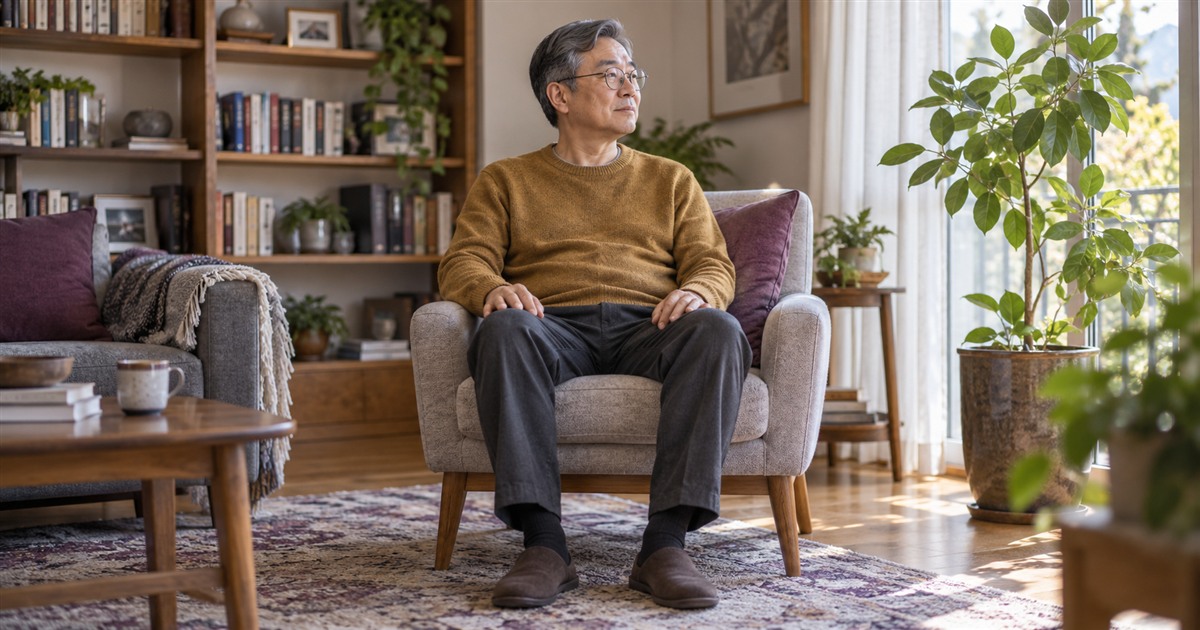
Choose somewhere you can pause without needing to drive, supervise a hazardous task or respond immediately. A familiar chair in a room at home can be enough. Reduce a distraction if convenient, but you do not need perfect silence or an expensive “sacred” room.
A meaningful object may belong to your personal practice. Crystals are optional, not devices that make spiritual messages more accurate or grant access to a spirit world. Avoid turning preparation into a shopping list or delaying the practice until everything feels perfect.
Choose comfort, not a demanding posture
Sit in a supportive chair, or choose another comfortable position that suits your needs. You do not have to sit on the floor, cross your legs or keep your body completely still. Adjust if uncomfortable, and keep your eyes open if that feels preferable.
The original suggestion to imagine roots can remain an optional symbol of steadiness. It does not demonstrate that energy moved through your feet. If visualization is difficult or unsettling, notice a nearby object instead; you do not need to force an image.
Keep breathing comfortable
Let your breathing remain ordinary. There is no requirement to take repeated deep breaths, hold your breath or follow a five-count rhythm until you feel relaxed. Breath attention is only one possible focus.
You can listen to a steady sound or notice the texture of a chair instead. If focusing on breathing makes you dizzy, anxious or uncomfortable, stop and choose an ordinary activity. Do not interpret discomfort as proof that a gift is opening.
Use a manageable intention
An intention can describe how you want to approach the session: “I will notice when my attention wanders,” or “I will reflect on patience before replying to a difficult message.” It is not a command that guarantees a desired experience.
Prayer can be meaningful within your own beliefs, but asking guides for protection does not create an established barrier against harm. Attend to your actual surroundings and boundaries. You never need a protective ritual before you are allowed to stop or seek help.
A brief session, without a powers test
- Set a small limit. Choose a minute or two if you want to try; you can stop sooner. Pick one ordinary focus, such as a sound or a nearby object.
- Notice and return. When a thought appears, acknowledge it. Return to the focus if comfortable, without needing an empty mind or a special sensation.
- Finish normally. Look around, move comfortably and choose your next ordinary activity. No message or closing ritual is required.
- Record, then check. If useful, write what happened and keep any interpretation separate. Do not make a consequential decision on an impression alone.
Separate observations from interpretations
Afterwards, a short note can help you remember the session. Use two headings: “What I noticed” and “What I think it might mean.” For example, “I pictured my sister” is an observation; “my sister needs help right now” is a conclusion you have not established.
You can contact someone in an ordinary, respectful way if you want, without claiming to know their private feelings or insisting that a vision must be true. For decisions involving health, money or safety, use appropriate evidence and qualified advice rather than a meditation impression.
Record neutral outcomes too. A session with restlessness, no image or no change in mood still counts as an honest observation. Do not select only the experiences that seem to confirm a psychic explanation.
Ending is not an energy emergency
You can simply stop. You do not need to “shut down” a third eye, expel energy or imagine a candle being extinguished to avoid becoming overloaded. A familiar closing phrase may be a personal preference, but it should not become a compulsory safety check.
Notice the room, move at your own pace and return to an everyday task. If you want an optional sensory approach, our grounding and centering guide explains it without treating an imagined shield as protection from real harm.
Know when to stop and get support
You do not need longer or more intense sessions to prove commitment. Stop if the practice increases panic, distress or a sense of disconnection. NCCIH advises against using meditation to replace conventional care or delay a consultation.
New voices, unexplained visions or persistent disconnection should not be promoted as achievements. NHS guidance on hallucinations and hearing voices explains that these experiences can have different causes and warrant medical help. Seek urgent local help for immediate danger, sudden confusion or voices telling you to harm yourself or someone else.
“Stronger” can mean knowing your limits, staying curious and checking an interpretation before acting. You can value spiritual reflection without demanding certainty from it—or from yourself.
Frequently asked questions
Can meditation make my psychic abilities stronger?
Meditation does not establish psychic ability or guarantee spirit contact. You may use it for personal reflection or attention, but impressions still need ordinary evidence and should not be treated as instructions about another person or a health decision.
Do I need crystals or a special posture?
No. Choose a comfortable, supported position in a safe setting. Crystals, visualizations and spiritual language are optional preferences, not equipment that makes messages more accurate or keeps you safe.
Does tingling or seeing an image prove I received a message?
No. Record what you noticed without assuming a supernatural cause. A vivid experience is not proof of an external message, and persistent or unexplained sensory changes deserve appropriate medical advice.
What happens if I stop without a grounding ritual?
There is no need to complete a ritual to close a third eye or prevent energy overload. You can stop, look around and return to an ordinary activity. If distress or disconnection persists, seek qualified support rather than repeating a ritual until it feels perfect.
This piece could be helpful for those looking to explore or enhance their psychic abilities through meditation. The practical steps, such as creating a meditation space and using crystals, are useful tips.
The practical advice on maintaining a meditation journal and the process of grounding oneself post-meditation can be beneficial for those who are serious about their spiritual development.
The article’s structured approach to psychic meditation, including breathing techniques and setting intentions, offers a pragmatic guide for novice and experienced meditators alike.
The article provides a comprehensive guide to psychic meditation, with clear instructions on how to create a conducive environment for meditation. The emphasis on grounding oneself at the end is particularly insightful.
The breakdown of meditation practices and their purposes is well-articulated. It’s interesting how the article ties regular meditation with specific psychic goals and outcomes.