

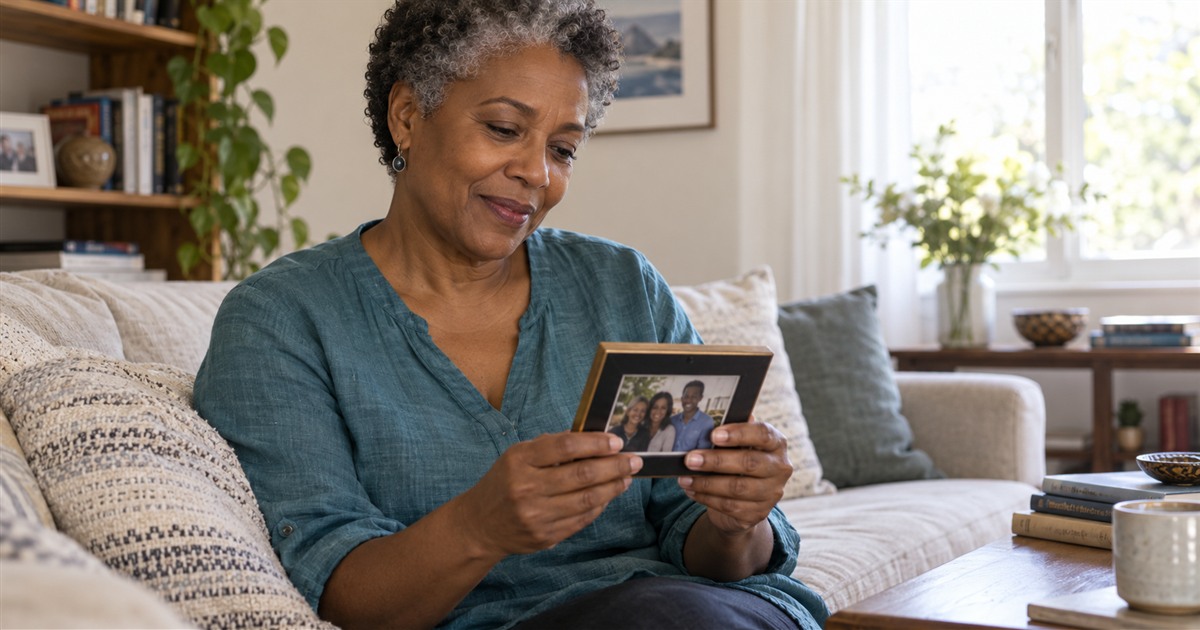
A familiar song starts just when you are thinking about someone who died. You find a coin on the floor, or wake from a dream that feels unusually vivid. In grief, a small event can carry a great deal of meaning. Some people interpret such moments as contact from a deceased loved one; others understand them through memory, coincidence or their own attention.
These experiences do not establish that the person who died is trying to communicate. You can welcome a comforting association without turning it into proof, a warning or an instruction. You also do not have to notice any signs to show that your relationship mattered.
Nine experiences people sometimes interpret as contact
The examples below are invitations to reflect, not a test of your spiritual ability. Start with what actually happened, consider ordinary explanations, and decide whether remembering the person feels helpful today.
1. Dimes and other coins
A coin’s date might remind you of a birthday, a trip or a year you shared. That association can be personal and moving. It does not show that a spirit placed the coin there: loose change can fall from pockets, bags or furniture, and noticing one coin may make the next more noticeable.
If you want to keep it as a memento, you can. There is no universal code that makes a dime mean courage or a particular combination of coins mean a message. You do not need to buy an interpretation or keep searching until a pattern appears.
2. A dog reacting to something you cannot see
A dog may stare, bark, whimper or become excited when you do not know what caught its attention. A sound, scent, movement or change in its surroundings is worth considering before a paranormal explanation. The behavior alone cannot identify a deceased person or confirm a presence.
Notice what is different from your pet’s usual behavior. If a change is new, persistent or accompanied by signs of distress, ask a veterinarian for advice rather than dismissing it as a spirit encounter.
3. A familiar smell
Perfume, cooking or the smell of tobacco can bring back a strong association with someone. Check for ordinary sources such as clothing, stored belongings, nearby rooms or outdoor air. A scent can prompt a memory without being an intentional message.
Do not explain away a possible burning or gas smell spiritually; treat potential hazards as safety issues. If unexplained smells recur or worry you, discuss them with a healthcare professional. This article cannot determine their cause.
4. Flickering lights and unexpected electronics
A bulb failing or a radio switching on is not reliable evidence that a loved one is saying hello. Settings, timers, batteries, equipment faults or electrical issues deserve attention first. Avoid experimenting with wiring to try to reproduce a “sign.”
The U.S. Fire Administration’s electrical-safety guidance advises using the bulb wattage recommended for a fixture and avoiding overloaded outlets. Repeated electrical problems should be assessed by a qualified professional, not treated as reassurance from the dead.
5. Something a child says
A child may mention the person who died, describe a dream or make an unexpected association. Listen calmly and ask an open question such as, “What made you think of that?” Avoid supplying an answer or telling the child that they must have a special ability.
A mature-sounding remark is not proof of an “old soul” or spirit contact. Let the child talk about memories and feelings without making them responsible for delivering messages to grieving adults. Seek appropriate support if they seem frightened or are struggling.
6. Hearing a meaningful song
A shared song can feel like a welcome interruption in a difficult day. It may also be playing because of a playlist, a radio schedule or an algorithm. The timing alone does not tell you why it appeared.
You might choose to listen, write down the memory or share the song with someone who knew your loved one. There is no obligation to decode every lyric. If you would prefer a deliberate remembrance activity, our guide to honoring your dead loved ones offers optional ways to remember without needing a sign.
7. A dream about the person who died
A dream can feel warm, upsetting, ordinary or astonishingly clear. You may hold a spiritual interpretation, but vividness does not establish that a visitation occurred. A dream also should not be used as medical advice, a financial instruction or evidence about another person.
If writing it down helps, separate the dream’s events from the meaning you give them. “I dreamed we were talking in the kitchen” records the experience; “they are telling me to move house” is an interpretation. You can leave the second question unanswered.
8. Words on a billboard or sign
A phrase may stand out because it connects with something already on your mind. That can make it a useful prompt, but not a personalized directive from a deceased person. Many people see the same sign and take different meanings from it.
Keep your attention on the road when driving. Do not detour or make an urgent decision to follow a supposed message. If the words still matter later, consider them alongside the facts of your situation.
9. Clouds, rainbows and sky formations
A cloud shape or rainbow might remind you of a loved one or a place you visited together. You can enjoy that moment without assigning a fixed supernatural meaning to a natural scene.
If taking a photograph feels right, make it a memory rather than a demand for another sign. A changing cloud or the absence of a rainbow is not a measure of whether someone loves you or is at peace.
A gentle way to respond
- Notice the event
- Describe what you saw, heard or dreamed without adding a conclusion.
- Check what needs attention
- Consider ordinary causes. Give practical, pet and health concerns the care they need.
- Choose a remembrance, not a command
- Keep a memory if it comforts you. Stop interpreting if the exercise adds fear or pressure.
You do not owe anyone proof of contact
You can remember someone through their stories, values or a photograph, even if you never experience anything unusual. Different members of a family may interpret the same event differently; you do not need to persuade one another.
Be cautious if someone turns your grief into an urgent sales pitch or claims payment is needed to keep a loved one safe. Our guide to assessing psychic-medium claims and conduct explains why confidence and emotional impact are not proof of contact.
Grief varies, and support is available. The NHS bereavement guidance suggests talking with a trusted person, healthcare professional or counsellor when coping is difficult. If interpreting signs interferes with sleep, daily life or your sense of safety, ask for help rather than intensifying the search. Remembrance can remain meaningful without resolving what happens after death.
Frequently asked questions
Does finding a dime prove a deceased loved one is contacting me?
No. A coin can remind you of someone, but its location or date does not establish who placed it there. You can value the association without treating it as a verified message.
Is a dream about a loved one who died necessarily a visitation?
No. Some people understand these dreams spiritually; others see them as part of memory and emotion. The dream alone cannot distinguish those explanations, and it does not require you to take action.
Should I treat flickering lights or a pet’s unusual behavior as a spirit sign?
Check practical causes first. Electrical problems may need a qualified electrician, and a new or persistent change in an animal’s behavior may need veterinary advice. Neither event proves a spirit is present.
What if I never notice a sign from someone I loved?
An absence of signs says nothing about the love you shared. You do not need to search, pay for contact, or produce an experience to remember someone. If grief is hard to manage, support from trusted people or a qualified professional is available.
The idea that children and animals might be more sensitive to spirits is an interesting notion. It aligns with some hypotheses in parapsychology, although empirical evidence is limited.
While the article presents several ways spirits might contact us, it’s crucial to approach these experiences with a critical mind. Many of these signs could have logical explanations.
It’s fascinating how different cultures and individuals attribute significance to everyday occurrences like finding coins or noticing smells. These interpretations can provide emotional solace.
The suggestion that spirits communicate through technology or music is both evocative and comforting. However, it’s important to be mindful of the psychological impact and not rely solely on these signs.
The concept of receiving signs from departed loved ones through various mediums is intriguing. It offers comfort to those grieving, although it’s essential to balance belief with rationality.