

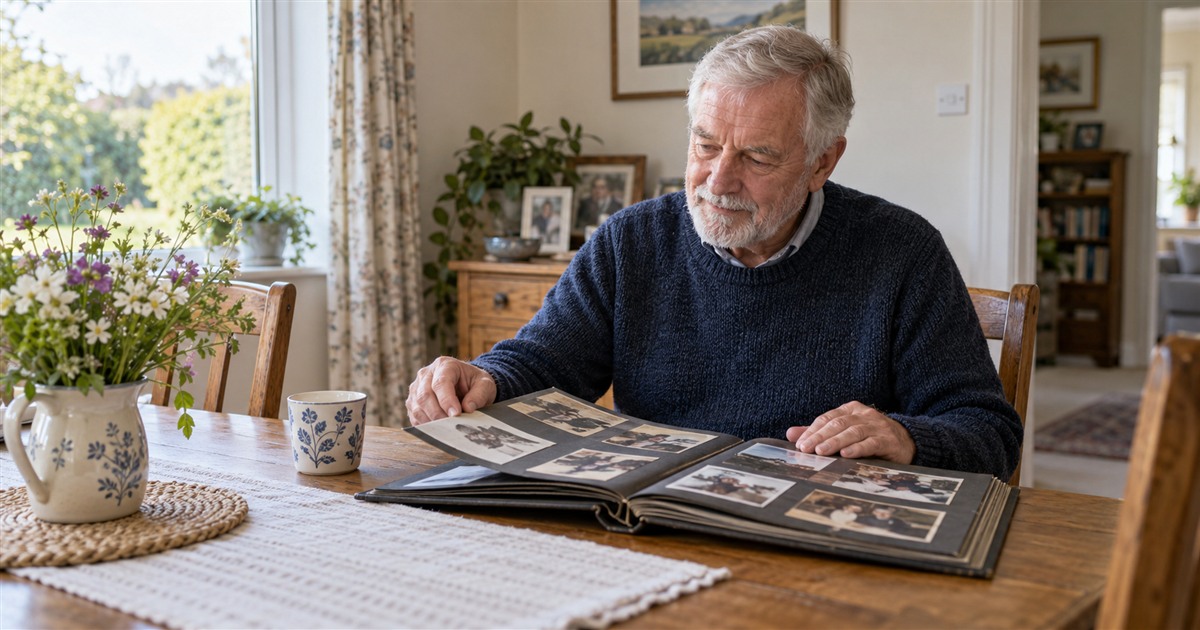
Honoring someone who has died can begin with a familiar song, a photograph or a story you want to keep. You do not need a ceremony, a spiritual reading or a particular season. Choose something that fits your relationship and what feels manageable today.
Remembrance may be comforting, painful, ordinary or a mixture of these. It does not have to produce peace or prove that you have moved forward. The person mattered; you do not need to demonstrate that through the size of a tribute.
Keep cultural traditions in their own context
Seasonal celebrations of the dead are not all one tradition. UNESCO’s account of Indigenous festivities dedicated to the dead describes Día de los Muertos as practiced by Indigenous communities in Mexico, with festivities from late October into early November. The account describes a cultural belief in the temporary return of deceased relatives, not a scientific finding that spirits return.
Do not use “Halloween,” Día de los Muertos and Samhain as interchangeable labels for any remembrance activity. If a tradition belongs to your family or community, learn from its practitioners. If it does not, you can respectfully learn about it without calling a personal dinner an authentic version of someone else’s observance.
Make a small remembrance at home
The original ideas of photographs, music, food and storytelling remain useful options. Choose one rather than making a checklist: put a photo somewhere meaningful, play a favorite track or prepare a dish associated with the person. An empty place at dinner can be a personal symbol if it feels right, but it is not required.
You can use a flameless light instead of a candle. Keep photographs and keepsakes somewhere safe, and follow a cemetery’s rules if visiting. There is no need to release objects into the environment or leave food, decorations or flames where they are not permitted.
If others are involved, ask what they want. Someone may prefer a quiet visit, a different memory or no gathering. Obtain permission before sharing recordings, private letters or family photographs publicly; another person’s grief is not content you are entitled to post.
Twelve optional prompts, not zodiac instructions
This article originally organized remembrance by sun sign. The labels below keep that creative structure without assigning personality traits, predicting visions or claiming connections to past lives. Any person can choose any prompt; none tells you what the deceased wants.
Aries: Honor a contribution
Write about one way the person helped someone. An act of service is optional, not a duty to sacrifice yourself.
Taurus: Remember through familiar surroundings
Tend a plant or visit a place you associate with them, if accessible and welcome. A quiet moment at home can be enough.
Gemini: Keep a story
Write a small anecdote or ask a willing relative for a memory. Record it with permission and distinguish remembered details from guesses.
Cancer: Make room for a family memory
Prepare a familiar food or keep a photograph nearby. You do not need to connect this act to a particular festival or planet.
Leo: Share without making a performance
Offer a story to someone who wants to hear it. Let children and other relatives choose whether and how they participate.
Virgo: Preserve something practical
Label a photograph, save a recipe or organize a small keepsake. You do not need to sort every belonging at once.
Libra: Remember together
Invite a willing friend to listen to a song or talk about the person. Make declining the invitation easy.
Scorpio: Allow privacy
Keep a memory privately or take a quiet pause. Remembrance does not require revealing difficult family history.
Sagittarius: Carry forward a lesson
Describe something you learned from the person and how you might use it. A lesson can matter without a claim about rebirth.
Capricorn: Keep a manageable tradition
Repeat a simple activity that matters to you. It does not establish a past-life connection or require a perfect annual observance.
Aquarius: Choose a community connection
Support a cause associated with the person if you want and can afford it. A thoughtful conversation can also be a contribution.
Pisces: Use a creative expression
Make a drawing, playlist or short letter. Creativity can hold a memory without claiming access to a spirit world.
Choose the idea for its personal relevance, not its sign. You can also combine two ideas, change one or do nothing today. A birth chart is not needed to remember someone accurately or lovingly.
Allow a complicated relationship to remain complicated
Not every memory is happy. Love, anger, relief, regret and uncertainty can coexist, especially when the relationship was difficult. You do not have to idealize someone after death, reveal private experiences or forgive harm in order to remember honestly.
A private note may be more appropriate than a family speech. You can describe one memory without trying to summarize the person’s whole life. Our reflection on compassion with boundaries keeps goodwill separate from obligation and forced forgiveness.
Meaning does not require proof of contact
A song heard unexpectedly or a vivid dream may feel significant. You can acknowledge that meaning without deciding it was sent by the deceased. Remembering an experience and establishing its cause are different tasks.
No paid reader should decide whether you have honored someone enough or insist that a loved one needs another purchase. Our guide to assessing mediumship claims separates comfort, evidence and the practitioner’s conduct. Your memories do not depend on a reading’s approval.
Leave room for support and ordinary life
The NHS guide to grief after bereavement or loss explains that grief affects people differently and may include sadness, anger, guilt or numbness. There is no single right sequence of feelings. It suggests manageable steps and talking with supportive people or a professional.
If a remembrance activity becomes overwhelming, stop, shorten it or ask someone to be with you. Seek qualified support when grief is difficult to manage or disrupts everyday life. A memorial activity is not treatment, and seeking help does not diminish the relationship. If you cannot stay safe, contact urgent local crisis or emergency support.
You can carry a memory while making room for new experiences. Honoring someone does not require remaining sad, feeling a sign from them or repeating a ritual perfectly. A small, freely chosen act can be enough for today.
Frequently asked questions
How can I honor a loved one without a formal ceremony?
Choose one manageable act, such as playing a song, keeping a photograph, preparing a familiar meal or writing a memory. You do not need a public event, an expensive purchase or a special date.
Do I have to follow my zodiac sign’s suggestion?
No. The twelve sign labels here organize optional creative prompts, not rules or predictions. Choose any idea that fits your memories, beliefs, abilities and circumstances, or leave them all out.
Is remembering someone the same as contacting their spirit?
No. A photograph, dream, song or meaningful ritual can evoke memories without establishing communication with the dead. You can value the experience without accepting a supernatural explanation or buying a reading.
What if remembering them feels too difficult?
You can pause, shorten the activity or choose company instead of a ritual. There is no requirement to feel grateful or peaceful. Seek qualified support if grief is difficult to manage or interferes with daily life; use urgent local help if you cannot stay safe.
The idea of keeping a place at the dinner table for lost loved ones is touching. This article provides a variety of ways to remember the deceased, which could be comforting for many.
Combining astrology and the afterlife rituals is an innovative approach. I wonder if there’s any empirical research on how effective these practices are in helping people cope with loss.
The suggested activities for honoring loved ones seem meaningful. However, integrating astrology into this context could be more elaborate for better understanding.
The concept of celebrating the Day of the Dead is new to me. Are there any specific traditions that are universal, irrespective of one’s astrological sign?
Yes, typically, people light candles, visit cemeteries, and share stories. The use of astrology as suggested in the article seems more personalized.
The article’s blend of astrology and honoring the dead is quite intriguing. I’m curious about the cultural implications this has across different societies.