

Making space for divine love can be a way of asking how you want to give and receive care. For some people, “divine” refers to their faith; for others, it describes a sense of compassion or connection. You do not have to share one definition to reflect on what love looks like in everyday choices.
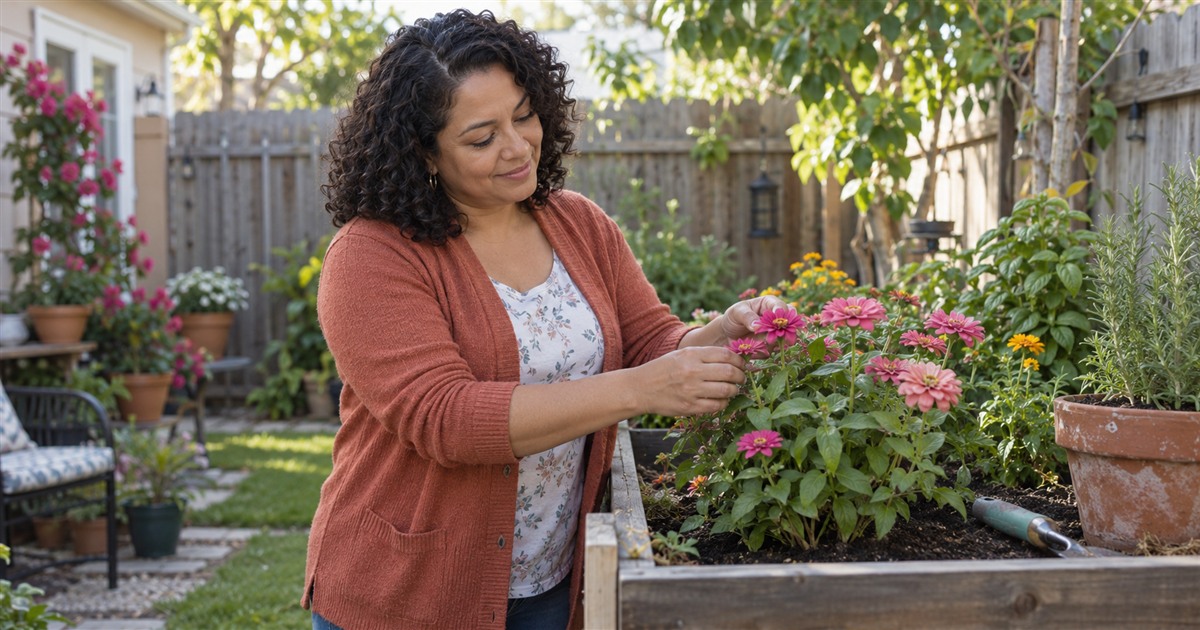
The image of a seed growing in a garden is a useful metaphor: care takes attention, room and time. It is not a formula for attracting a partner, and a difficult season does not mean your heart is defective. You can be loving while grieving, angry, uncertain or single.
Define the meaning without promising an outcome
Begin with a question you can answer for yourself: “What does compassion ask of me today?” Perhaps it means listening without interrupting, keeping a promise, accepting help or declining something you cannot manage. Those are choices you can consider; “the universe will send the right person” is an outcome you cannot guarantee.
Different spiritual traditions understand love differently. This article offers personal reflection, not a universal religious teaching. Keep the language that fits your beliefs and leave what does not. A meaningful phrase should support your judgment rather than become an authority over it.
Nourish care without trying to earn your worth
You do not become lovable by eliminating every difficult emotion. Having envy, disappointment or anger does not make you incapable of care. What matters is how you respond: you can acknowledge a feeling without using it to justify cruelty or making it a verdict about yourself.
If “opening your heart” feels like pressure, translate it into something concrete and manageable. You might accept a kind message, ask for company or allow yourself a quiet break. Our guide to loving yourself from the inside out explores everyday care without requiring endless positivity.
Love also need not be romantic. Friendship, family relationships, chosen community and care for living things can matter in their own right. None of them has to compensate for being single or prove that your spiritual practice is working.
Let the garden metaphor include limits
A garden needs space as well as nourishment. In a relationship, space can mean time alone, privacy, a financial limit or freedom to practice your own beliefs. A caring person may not agree with every request, but love should not be used to make your refusal illegitimate.
Compassion does not mean unlimited access
- You want to offer time.
- “I can listen for twenty minutes this evening.” You can care without being available at every moment.
- You want to help practically.
- “I can help with this task, but I cannot lend money.” A limit does not cancel the help you can offer.
- You want to wish someone well.
- “I hope things improve, but I am not resuming contact.” Goodwill does not require reconciliation.
These are examples for ordinary, safe interactions—not instructions to confront someone who might retaliate. If a relationship involves threats or control, seek individual safety support rather than trying to find the perfect boundary sentence.
Keep forgiveness separate from reconciliation
Forgiveness means different things to different people, and you do not need to adopt it as a goal. If it matters within your beliefs, allow your own pace and definition. Nobody else can set a deadline or decide that you have not loved enough.
Reconciliation is a separate decision about renewed contact and trust. It requires more than your goodwill: consider the other person’s behavior, accountability and whether contact is wanted and safe. You can acknowledge an apology without restoring the previous relationship.
Likewise, taking responsibility for your own mistake means naming what happened and changing what you can. It does not mean demanding forgiveness as a reward for apologizing. The other person keeps their choice.
Approach dating without a manifestation guarantee
Visualizing a relationship or writing about your values may help you name what you want. Treat that as reflection, not a mechanism that makes someone love you or ensures that only “true love” enters your life. Another person’s interest and consent are not controlled by your thoughts.
Instead, notice practical questions: Can you disagree respectfully? Are expectations clear? Does the person follow through? Can both people say no? Feeling a strong spiritual connection does not answer those questions for you.
If you are considering a reading about a relationship, our guide to the limits of psychic relationship advice keeps observable behavior and consent ahead of predictions. No reading can make a partner change or establish what they secretly feel.
Choose one small practice, not a test of spiritual purity
You might pause beside a flower, say a prayer within your own tradition or write a few lines about kindness. The original images of flowers, rain and rainbows can remain invitations to notice beauty—not evidence that a cosmic message has arrived.
Try asking three questions: What care is realistic for me today? What limit do I need to respect? What would a kind action look like without controlling the outcome? Choose one modest response, such as thanking someone specifically or asking permission before offering advice.
If reflection becomes another demand to feel peaceful, stop or change it. Love does not remove every worry, solve illness or replace qualified support. A difficult day can coexist with meaningful relationships and a spiritual life.
Do not let spiritual language excuse harm
Someone saying “divine love requires this” does not make a demand safe or fair. The National Domestic Violence Hotline’s guide to spiritual abuse describes how beliefs may be used to shame, control or rationalize harm. Your beliefs should not be used against your right to safety.
If you feel afraid or controlled, a domestic abuse advocate can help you consider options. In the United States, call 800-799-7233 or text START to 88788 when safe; internet use may be monitored, so consider a safer device. Outside the U.S., use an appropriate local service. For immediate danger, contact local emergency services.
Making room for love can include making room for your own needs. You can value generosity, grace and connection without surrendering your choices, silencing difficult feelings or promising an outcome that nobody can guarantee.
Frequently asked questions
What does making space for divine love mean?
It can mean choosing compassion, reflection and care within your own spiritual beliefs. It is not a promise that the universe will send a partner or remove difficult feelings, and it does not require a particular religious belief.
Must I forgive someone before I deserve love?
No. Your worth is not conditional on forgiveness. You may take time, keep distance or decide not to reconcile. Compassion does not erase accountability or require contact with someone who harmed you.
Can the Law of Attraction make a particular person love me?
No affirmation or visualization can guarantee another person’s feelings or consent. You can clarify your values and choose respectful actions, but the other person remains free to decline a relationship.
Can unconditional love include boundaries?
Yes. Caring about someone does not mean giving unlimited access to your time, money, body or private information. You can say no and seek safety support when a relationship involves threats, control or abuse.
The article mentions the Law of Attraction in relation to finding love, but it’s worth noting that this concept is often debated and lacks empirical support in the scientific community.
While the article stresses the importance of being open to love, it does not delve much into how one can practically overcome negative emotions like envy or unforgiveness to foster love.
Perhaps the focus was more on the philosophical and spiritual aspects of love, rather than its practical applications.
That’s a valid point. Practical steps or examples could indeed make the ideas more actionable and relatable.
The emphasis on love being a spiritual journey and a way to achieve one’s highest self is thought-provoking. It aligns with various philosophical and religious perspectives on the transformative power of love.
The article provides a comprehensive view on the significance of love. It’s intriguing how love is compared to energies from the universe, suggesting that it can transform an individual’s life.
The comparison of love to natural elements like rainbows and flowers adds a poetic touch to the narrative, highlighting love as a fundamental part of human experience.